The Art of 3D Wooden Puzzle Creation
How Designers Create 3D Wooden Puzzles
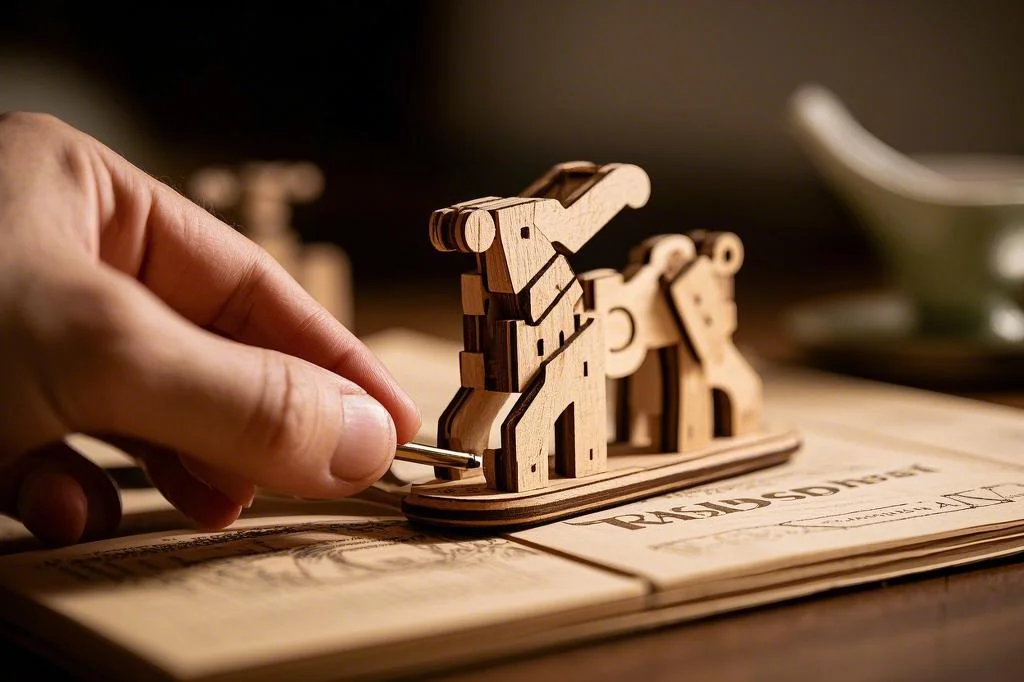
Designers of 3D wooden puzzles have a fascinating process that involves various steps to bring intricate designs to life. Let’s delve into how these designers conceptualize and develop these captivating puzzles.
Sketching and Planning Assembly
It all starts with a vision. Designers meticulously sketch out each piece of the puzzle, considering not only its individual shape but also how it fits into the larger structure. Planning the assembly is crucial to ensure that every piece interlocks seamlessly.
Ensuring Structural Integrity
Structural integrity is paramount in 3D puzzles. Designers use their expertise to ensure that each piece is not only aesthetically pleasing but also sturdy enough to withstand assembly and disassembly multiple times.
Geometric Shapes to Complex Models
From simple geometric shapes to intricate models of animals, vehicles, or landmarks, designers have a wide range of possibilities to explore. They leverage geometric principles and spatial reasoning to create visually appealing and mentally stimulating puzzles.
Software Usage
The design process heavily relies on modern technology. In order to simulate assembly procedures, model intricate shapes, and even verify the structural soundness of their designs prior to manufacturing, designers employ software tools.
Premium hardwoods, such as maple or birch, are used to create 3D wooden puzzles because of their strength, resilience, and eye-catching grain patterns. By eliminating extra moisture, kiln-drying keeps the puzzles from warping and prolongs their lifespan.
Laser cutting is one manufacturing technology that produces exact shapes with clean edges and little waste. For complex designs, alternative cutting techniques like CNC routing and jigsaw cutting provide excellent accuracy and fine control.
In addition to improving the puzzles’ beauty, finishing choices including oils, waxes, and lacquers shield them against damage. Before the puzzles are packaged with tools and instructions, test assemblies are used in quality control procedures to ensure fit and functionality.
3D wooden puzzle designers combine engineering and artistic talent to produce visually stunning and captivating puzzles for puzzle fans worldwide.
How are 3D Wooden Puzzle Pieces Refined and Prepared for Seamless Assembly?
Premium hardwoods, such as maple or birch, are used to create 3D wooden puzzles because of their strength, toughness, and eye-catching grain. Warping is avoided by removing surplus moisture by kiln-drying. Designs can be anything from basic geometric forms to detailed representations of locations, cars, or animals.
Designers plan assembly, create sketches, and guarantee structural integrity. Laser cutters produce exact shapes with minimal waste and flawless edges. Other cutting techniques include CNC routing for complex designs and great accuracy, and jigsaw cutting for fine control.
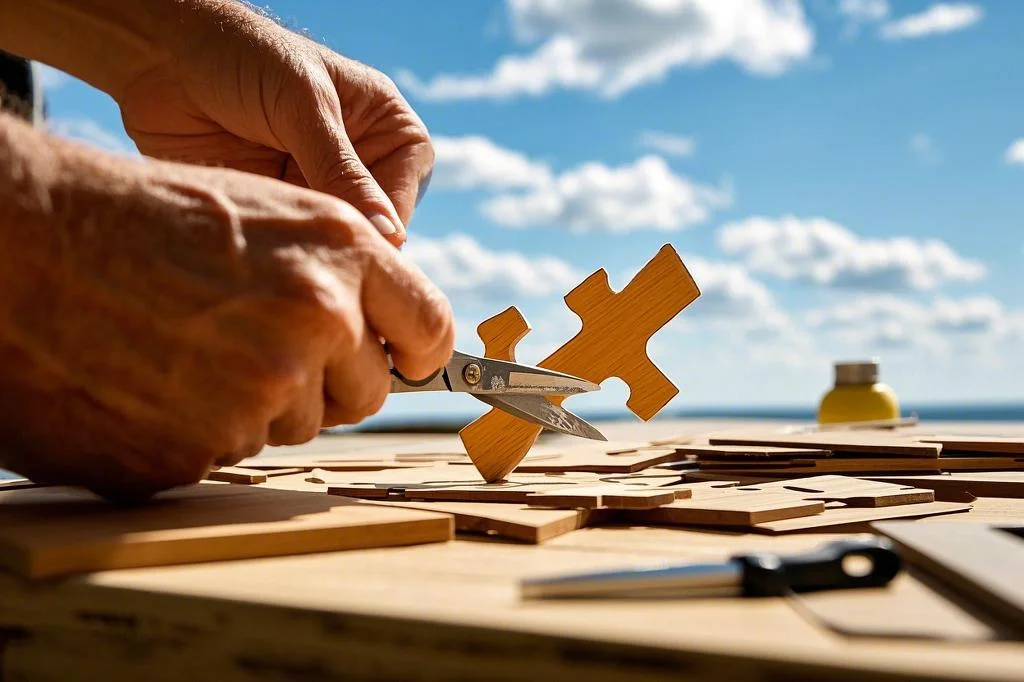
Rough edges and flaws are removed by sanding and smoothing, guaranteeing flawless assembly. Finishing choices include lacquers (polyurethane) for moisture resistance, which may add weight, oils (tung or Danish) for protection and a natural appearance, and waxes (beeswax or carnauba) for a soft sheen and protective layer. A smooth, even surface is produced by applying several coats and lightly sanding in between.
Test assembly is used in quality control to ensure fit and functionality. After being disassembled, puzzles are carefully packaged with any required equipment, directions, and a photo of the finished product.
How is the 3D Puzzle Orbital Box put together? Simply adhere to the directions included in the packaging. Sort the pieces first, then follow the detailed instructions to enjoy the process of making a stunning 3D wooden puzzle masterpiece!
Finishing Options for 3D Wooden Puzzles
High-quality hardwoods, such as maple or birch, are carefully chosen for their strength, durability, and eye-catching texture to create 3D wooden puzzles. Warping is avoided by removing surplus moisture by kiln-drying. Designs range from basic geometric forms to detailed representations of places, cars, and animals. Designers plan assembly, create sketches, and guarantee structural integrity. Laser cutters produce exact shapes with minimal waste and flawless edges.
Other cutting techniques include CNC routing for complex designs and great accuracy, and jigsaw cutting for fine control. Rough edges and flaws are removed by sanding and smoothing, guaranteeing flawless assembly.
Finishing choices include lacquers (polyurethane) for moisture resistance, which may add weight, oils (tung or Danish) for protection and a natural appearance, and waxes (beeswax or carnauba) for a soft sheen and protective layer. A smooth, even surface is produced by applying several coats and lightly sanding in between.
Test assembly is used in quality control to ensure fit and functionality. After being disassembled, puzzles are carefully packaged with any required equipment, directions, and a photo of the finished product.
Understanding how each option impacts the finished result is crucial when thinking about finishing options for 3D wooden puzzles. Wax adds a gentle gloss and further protection, oils preserve the wood’s original look, and lacquers guarantee moisture resistance. Every choice has advantages and disadvantages that affect things like durability, weight, and look.
Quality Control in Production of 3D Wooden Puzzles
Premium hardwoods, such as maple or birch, are used to create 3D wooden puzzles because of their strength, toughness, and eye-catching grain. Warping is avoided by removing surplus moisture by kiln-drying. Designs can be anything from basic geometric forms to detailed representations of locations, cars, or animals. Designers plan assembly, create sketches, and guarantee structural integrity.
Laser cutters produce exact shapes with minimal waste and flawless edges. Other cutting techniques include CNC routing for complex designs and great accuracy, and jigsaw cutting for fine control. Rough edges and flaws are removed by sanding and smoothing, guaranteeing flawless assembly.
Finishing choices include lacquers (polyurethane) for moisture resistance, which may add weight, oils (tung or Danish) for protection and a natural appearance, and waxes (beeswax or carnauba) for a soft sheen and protective layer. A smooth, even surface is produced by applying several coats and lightly sanding in between.
Test assembly is used in quality control to ensure fit and functionality. After being disassembled, puzzles are carefully packaged with any required equipment, directions, and a photo of the finished product.
Typical Assembly Times for 3D Wooden Puzzles and Factors Influencing Them
3D wooden puzzles are crafted from high-quality hardwoods like maple or birch, chosen for strength, durability, and attractive grain. The assembly times for these puzzles can vary significantly based on several factors:
- Size: Larger puzzles generally take longer to assemble due to the increased number of pieces involved.
- Complexity: More intricate designs with detailed shapes and interlocking pieces can prolong the assembly time.
- Individual Skill: Experienced puzzle solvers may complete puzzles faster than beginners due to familiarity with the process.
- Average Completion Times: While some puzzles can be completed in a few hours, others may take days or even weeks for assembly.
To achieve faster assembly times, consider the following tips:
- Sort and group pieces by color or pattern to streamline the assembly process.
- Work in a well-lit and organized space to prevent pieces from getting lost.
- Refer to the puzzle’s image or model for guidance on piece placement.
- Use puzzle-specific tools like tweezers or magnifying glasses for intricate sections.
- Take short breaks to prevent eye strain and maintain focus throughout the assembly.
- Question: What are the benefits of creating 3D wooden puzzles?
Answer: Creating 3D wooden puzzles can help improve cognitive skills, enhance creativity, and provide a sense of accomplishment. - Question: How can 3D wooden puzzles be used for educational purposes?
Answer: 3D wooden puzzles can be used in educational settings to teach geometry, improve problem-solving skills, and promote spatial awareness. - Question: Are 3D wooden puzzles suitable for all age groups?
Answer: Yes, 3D wooden puzzles are versatile and can be enjoyed by both children and adults, making them a great choice for family bonding activities. - Question: What materials are typically used in the creation of 3D wooden puzzles?
Answer: 3D wooden puzzles are usually made from high-quality, durable wood that is safe and eco-friendly. - Question: How can individuals enhance their woodworking skills through creating 3D wooden puzzles?
Answer: Creating 3D wooden puzzles can help individuals practice precision cutting, improve hand-eye coordination, and develop a better understanding of woodworking techniques. - Question: Are there different levels of complexity available for 3D wooden puzzles?
Answer: Yes, 3D wooden puzzles come in various levels of complexity, ranging from beginner-friendly designs to advanced models that offer a greater challenge. - Question: Can creating 3D wooden puzzles be a form of stress relief?
Answer: Yes, engaging in the creation of 3D wooden puzzles can help reduce stress and anxiety by providing a calming and immersive crafting experience. - Question: How can individuals personalize their 3D wooden puzzles?
Answer: Individuals can personalize their 3D wooden puzzles by painting, staining, or embellishing the pieces to create unique and custom designs. - Question: What are some tips for beginners interested in starting 3D wooden puzzle creation?
Answer: Beginners should start with simple designs, use the right tools and materials, follow instructions carefully, and be patient and persistent in their crafting journey. - Question: How can individuals showcase their completed 3D wooden puzzles?
Answer: Completed 3D wooden puzzles can be displayed as decorative pieces in homes, offices, or as gifts for family and friends, showcasing the creator’s skills and creativity.
About the author : vinux

vinux is a seasoned figure collector and model-making expert with over 10 years of industry experience. He has in-depth knowledge and unique insights into Gundam models and anime figures, and is dedicated to sharing the latest information and most practical techniques with enthusiasts.