Exploring the Multifaceted World of Gundam Definition of Gundams and Their Uniqueness in the Mecha Genre
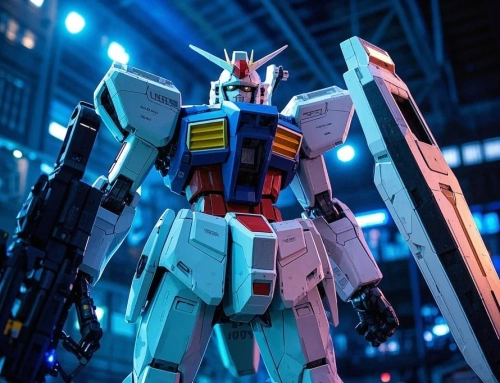
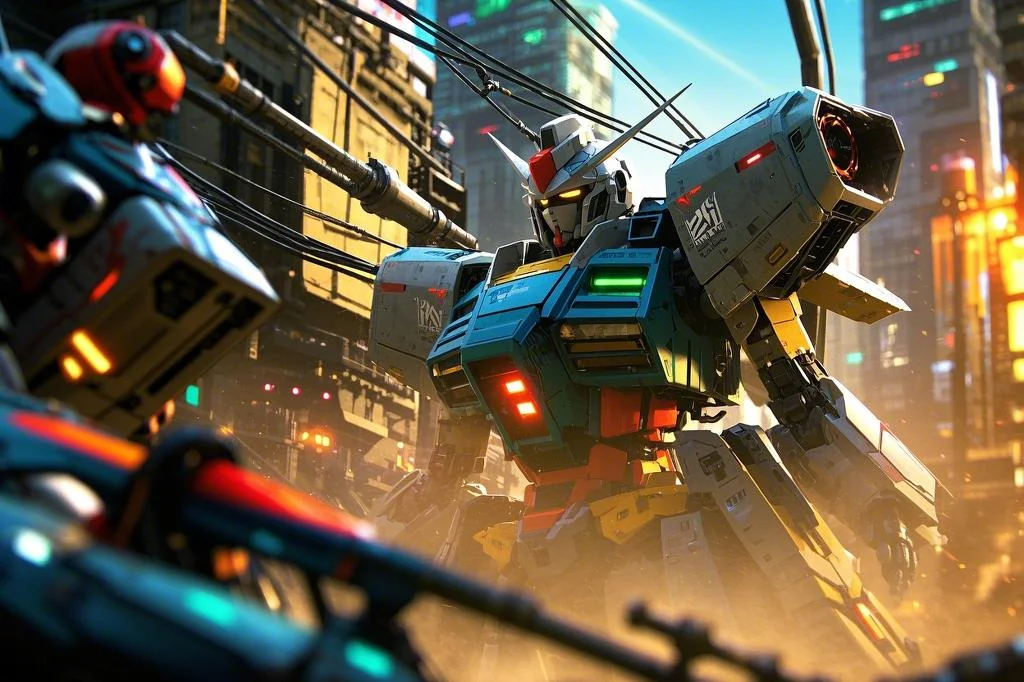
A distinctive characteristic of the mecha genre in anime and science fiction are the enormous robots known as “gundams,” or mobile suits. The fact that Gundams are sophisticated prototypes rather than mass-produced mobile suits distinguishes them from other mecha designs. This characteristic places Gundams in a unique position within the genre, both in terms of technological prowess and narrative significance.
Since its inception in 1979, the Gundam brand has grown into a multi-media sensation that includes video games, anime series, movies, OVAs, manga, novels, and even “Gunpla” plastic model kits. In these series, “Gundam” is usually the name of the protagonist’s mobile suit, signifying a sophisticated and potent piece of technology that frequently plays a significant part in the main plot.
The first series, Mobile Suit Gundam, introduced the “real robot” subgenre, which is one of the main things that sets Gundams apart from other mecha. This subgenre stays away from the magical aspects of huge robot stories by emphasising realism in both design and weaponry. The focus on realism distinguishes the Gundam universe from more conventional mecha stories by giving it a degree of reality and relatability.
Different timelines have been created within the Gundam franchise to examine various settings and narratives. One well-known example is the Universal Century (UC) timeline, which consists of a number of interrelated tales that explore complex science fiction ideas in great detail while captivating viewers with their elaborate world-building. Furthermore, different timelines, such as the Cosmic Era, give novel viewpoints and narratives that provide novel interpretations of the Gundam universe.
Mobile Suit Gundam: The Witch from Mercury, which takes place in the Ad Stella (AS) timeframe, is one of the most recent entries in the Gundam saga. The unusual Gundams variant “GUND-ARMS” is introduced in this series. It was created using recycled medical technology. The Witch from Mercury challenges the limits of conventional Gundam storytelling while preserving the essential components that have made the franchise a beloved classic, emphasising social themes, political intrigue, and varied representation.
Notable Gundam Series and Their Key Characteristics
Mobile Suit Gundam (1979)
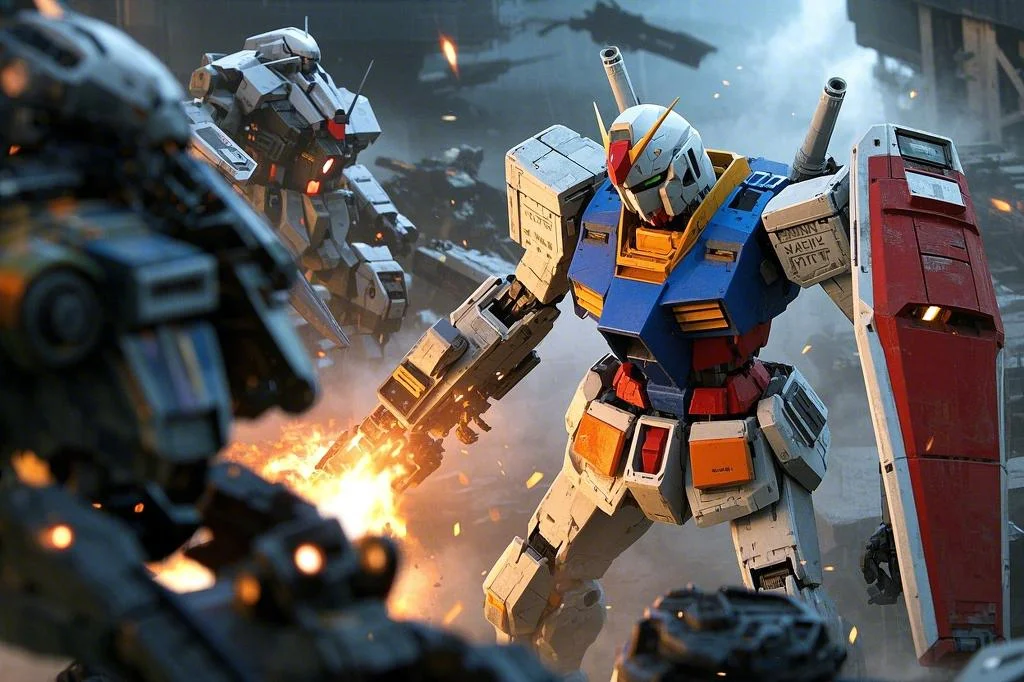
Mobile Suit Gundam, released in 1979, had a profound impact on the mecha genre. It introduced the iconic conflict between Zeon and the Earth Federation, showcasing the struggles of characters like Amuro Ray.
Mobile Suit Gundam SEED
Mobile Suit Gundam SEED marked the beginning of the Cosmic Era timeline, presenting a fresh perspective within the Gundam universe.
Mobile Suit Gundam: The Witch from Mercury
The Witch from Mercury, set in the Ad Stella (AS) timeline, features unique elements such as a diverse cast of characters, including a female and LGBTQ protagonist. It explores themes like capitalism and political corruption against a backdrop influenced by The Tempest.
Significance of Gunpla in the Gundam Franchise
Boosting Popularity
The significance of Gunpla in the success and longevity of the Gundam franchise is undeniable. Gunpla, short for Gundam Plastic Model kits, played a crucial role in attracting fans and boosting the popularity of the original series.
Impact on Franchise Expansion
Gunpla sales have had a major impact on the growth and expansion of the Gundam franchise. The revenue generated from Gunpla sales has contributed significantly to the continued production of new series within the Gundam universe.
Influence on Spin-off Series
Gunpla’s influence extends beyond the original series, impacting spin-off series like SD Gundam and Build Fighters. These series have been shaped by the popularity and success of Gunpla, catering to fans who enjoy constructing and collecting Gundam model kits.
Gundam Franchise: Expansion Beyond Anime
Multimedia Expansion
Since its inception in 1979, the Gundam franchise has transcended traditional anime boundaries, expanding into various other media forms. This expansion includes manga, novels, video games, and even real-life scale models, known as Gunpla.
Impact on Popularity
The franchise’s multimedia approach has significantly contributed to its enduring popularity and broad fan base. By branching out into different media formats, Gundam has been able to reach a wider audience and engage fans on multiple platforms.
Examples of Expansion
In particular, the Gundam franchise has given rise to numerous video games, manga series, and novel adaptations. The Gundam universe has been further enhanced by manga adaptations like Mobile Suit Gundam: The Origin and novel series like Mobile Suit Gundam Unicorn, which provide fans with a greater understanding of the intricate plots and characters.
Fans have been able to immerse themselves in interactive experiences by piloting iconic mobile suits and participating in epic battles in video games such as Mobile Suit Gundam: Battle Operation and Gundam Breaker.
Real-Life Scale Models
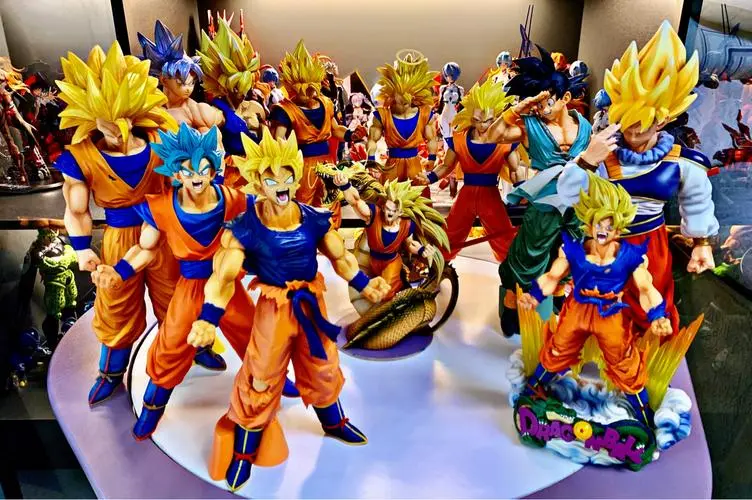
The development of Gunpla, plastic model kits that let fans construct and personalise their own Gundam miniatures, is among the most distinctive features of the Gundam franchise. In addition to encouraging fan ingenuity, this active strategy has generated significant money for the business.
In conclusion, the Gundam franchise’s growth from anime to comics, books, video games, and scale models in real life has greatly contributed to its status as a cultural phenomenon. Gundam continues to win over fans all around the world and maintain its position as a dominant force in science fiction entertainment by adopting a multimedia strategy.
Themes and Social Commentary in the Gundam Franchise
The Gundam franchise delves deep into various recurring themes and social commentary, offering insights into complex issues such as war, political systems, and technological advancements.
Exploration of War and Its Consequences
One of the central themes explored in the Gundam franchise is the nature of war and its profound consequences. Through its narratives, the franchise showcases the devastating impact of conflicts on individuals, societies, and the world at large. Characters often grapple with the moral dilemmas associated with warfare, highlighting the human cost of violence and the struggle for peace.
Examination of Political Systems and Social Inequalities
Another key aspect of the Gundam series is its critical examination of political systems, corruption, and social inequalities. The stories often portray power struggles, political intrigue, and the manipulation of societal structures for personal gain. By shining a light on these issues, the franchise prompts viewers to reflect on the complexities of governance and the challenges of creating a just society.
Discussion of Technological Advancements and Ethical Implications
With an emphasis on the creation of cutting-edge weapons and futuristic technologies, technological developments are prominent in the Gundam universe. However, moral concerns and ethical conundrums pertaining to the application of these advances accompany advancements. The show poses interesting queries concerning the effects of technology on people, the dangers of unbridled technological advancement, and the moral obligations that accompany having such enormous power.
All things considered, the Gundam series is notable not just for its complex world-building and exciting mecha fights, but also for its provocative examination of deep subjects and societal criticism that appeals to viewers everywhere.
The Cultural Impact of Gundam
The Gundam franchise has left a significant cultural impact not only in Japan but also around the world, drawing comparisons to the influence of Star Wars in the United States.
Gundam’s Influence in Japan and Beyond
Originating in 1979, the Gundam franchise has evolved into a multi-dimensional universe comprising anime series, films, OVAs, manga, video games, and the iconic plastic model kits known as “Gunpla.” These diverse mediums have contributed to the widespread popularity of Gundam beyond its country of origin.
Comparison to Star Wars
When examining Gundam’s cultural impact in Japan, it is often likened to the impact of Star Wars in the United States. Both franchises have garnered dedicated fan bases and have become integral parts of their respective pop culture landscapes.
Legacy and Popular Culture
Gundam’s persistent impact on popular culture is a clear indication of its long legacy. The franchise’s themes of governmental structures, scientific developments, and war have struck a chord with viewers all over the world, provoking debates and introspection on these difficult subjects.
Every version of the franchise has added to its cultural relevance, from the first Mobile Suit Gundam series that popularised the idea of “real robots” to the creative timelines and spin-offs that have broadened the Gundam universe.
Exploring the Multifaceted World of Gundam
- What is the history of Gundam?
Gundam is a long-running Japanese anime series created by Yoshiyuki Tomino in 1979, known for its iconic giant robots and complex storylines. - How many Gundam series are there?
There are numerous Gundam series, including the original Mobile Suit Gundam, Gundam Wing, Gundam Seed, and Iron-Blooded Orphans, among others. - Who are the main characters in Gundam?
Main characters in Gundam often include young pilots, such as Amuro Ray, Heero Yuy, Kira Yamato, and Mikazuki Augus. - What are some popular Gundam model kits?
Popular Gundam model kits include High Grade (HG), Master Grade (MG), and Perfect Grade (PG) kits, varying in complexity and size. - Where can I watch Gundam series online?
Gundam series can be streamed on various platforms like Crunchyroll, Hulu, and Netflix, depending on regional availability. - What is the significance of Newtypes in Gundam?
Newtypes are evolved humans in the Gundam universe, often possessing heightened psychic abilities and playing crucial roles in the series’ narratives. - Are there any live-action adaptations of Gundam?
A live-action adaptation of Gundam is currently in development by Legendary Entertainment, known for producing blockbuster films. - How has Gundam influenced popular culture?
Gundam has had a significant impact on popular culture, inspiring numerous other mecha anime series, video games, and model kit hobbies. - What are some key themes explored in Gundam?
Gundam often delves into themes such as war, human nature, politics, and the consequences of technological advancement, offering thought-provoking narratives. - Why is Gundam considered a classic in the anime genre?
Gundam is considered a classic due to its innovative storytelling, intricate world-building, memorable characters, and lasting influence on the mecha genre.
About the author : vinux

vinux is a seasoned figure collector and model-making expert with over 10 years of industry experience. He has in-depth knowledge and unique insights into Gundam models and anime figures, and is dedicated to sharing the latest information and most practical techniques with enthusiasts.