
Unveiling the High Cost of Anime and Action Figures: A Comprehensive Understanding
I. Increasing Cost of Raw Materials
A. Impact of rising cotton, steel, and paper prices on figure production
One of the key factors that affect the cost of anime and action figures is the climbing prices of raw materials such as cotton, steel, and paper. The three commonly form a significant part of the production components used in shaping the figures. The past decade has seen an inflationary trend in the global prices of cotton, steel, and paper, leading them to be costlier resources for industries, including those engaged in action figure production. Given that these materials directly contribute to the build and physical attributes of the figures, any fluctuations in their costs inevitably affect the overall production expenditure.
B. Consequent price increase in action figures
The significant hike in costs of these raw materials translates to a consequential surge in the prices of action figures. Manufacturing production is a carefully calculated process where companies must account for the costs of every constituent element. When the fundamental components like cotton, steel, and paper become pricier, the cost of the final product, in this case, action figures, also increases. The relationship between the two aspects is linear; when input prices rise, it indirectly results in a higher selling price.
C. Specific impact on anime figures given the quality of the materials used
While the pricing influence extends to all types of action figures, it wields a more pronounced impact on anime figures. This results from the distinctive quality of materials used when creating anime figures. Unlike regular toys, anime figures demand higher-quality varieties of cotton, steel, or paper, which are in themselves more expensive than their standard counterparts. This, coupled with the rising price pattern of these materials, makes anime figures a significantly costlier product in the market.
II. Geographical Factors Impacting Anime Figure Prices
The geographical element plays a vital role in determining the costs associated with anime figures. Specifically, Japan’s unique location and territorial characteristics shaped the economics of their production.
A. Effect of Japan’s Island Status on Import and Export Costs
Japan’s island status significantly impacts the cost of anime figures. As an archipelago, importing the raw materials necessary for making action figures tends to be on the costly side, owing to shipment and customs clearance charges. Additionally, export costs also contribute to the high pricing of these figures. Being an island nation, the exportation process too, incurs exorbitant freight charges, custom levies at the destination country and other logistical expenses. These added costs inevitably impact the retail price of anime action figures.
B. High Local Demand and Scarcity of Land Leading to Elevated Production Expenses
The high local demand for anime figures, both from enthusiasts and collectors, leads to a surge in production rates. However, the scarcity of available land in Japan further escalates the production costs of these figures. With limited space available for setting up factories, the expense of operation increases, landing on the consumers as a part of the final product price. The excess demand combined with these steep production costs justifies the comparatively high cost of anime figures.
III. Production Costs and Their Influences
A. The Role of Sculpting, Casting, and Hand-Painting in High Production Costs
In a world where mass production often reduces costs, the production process of anime and action figures stands out as one that elevates expenses. Primarily, the high costs are tied to the exhaustive, attention-demanding activities involved in delivering these collectibles. Each figure is a product of delicate crafting processes, including sculpting, casting, and intricate hand-painting. These handiwork elements invariably require skilled professionals whose services further drive up the costs.
B. Comparison of Production Costs between Regular Toys and Intricate Anime Figures
Differentiating a regular toy from an anime figure is like comparing a mass-produced car to a handmade luxury vehicle. Regular toys, often machine-made, don’t put much emphasis on details. In contrast, an anime figure is a masterpiece that showcases the artistic talent of its creators. It commands more time, effort, and mastery. Given these complexities, it’s understandable that the production costs for such intricate figures are significantly higher, leading to a noticeable price difference in the market.
C. High Quality Standards and Attention to Detail Increasing Expenditure
Anime and action figures are not just regarded as toys; they are seen as collectible items. This status demands high quality standards and impeccable attention to detail. Any oversight in capturing character details or missing color gradations may lead to a figure’s rejection by discerning collectors. Attaining such precision involves fine-tuning the creation process, leading to additional costs. From the accurate sculpting of each figure to the careful hand-painting of each detail, the creation of these figures is a meticulous endeavor. In consequence, the financial costs are high, reflecting the authenticity and overall artistry of the final product.
IV. The Effect of Licensing on Anime Figure Pricing
As much as we are enthralled by their enigmatic allure, anime figures often come with a hefty price tag. One of the primary elements that contribute to this is the cost of licensing.
A. Licensing Costs Inflating the Selling Prices of Figures
An incumbent factor that contributes to the high cost of anime figures is the licensing fee. Manufacturing industries require the legal permission to use illustrations, characters, and themes from anime makers, manga creators, or movie companies. This permission is known as licensing, and the cost can be substantial. These costs cover a plethora of intricacies involved in sourcing the right designs and ideas, obtaining intellectual property rights, and agreeing to royalty payments. Having to bear these costs directly inflate the selling prices of the figures, making it an indispensable component of the high cost of anime figures.
B. Desire to Avoid Copyright Conflicts Leading to High Licensing Costs
Adding to the logistical burden of licensing is the endeavor to steer clear of copyright conflicts. Copyright infringement is a serious offense in the creative industry and guarantees hefty penalties. Industries producing anime figures, thus, constantly strive to stay in the clear, attempting to avoid any potential copyright issues. As a direct result, they often find themselves having to pay hefty licensing fees. The desire to protect the rights of creators and maintain the sanctity of original artwork is a contributing factor to why the licensing costs for these spectacular figures are so high. Ultimately, these high licensing costs cascade down to the consumers, reflecting in the high cost of anime figures.
V. The Collector’s Influence
Significantly, the surging prices of anime and action figures can be attributed to the collector’s influence. The allure of unique figurines tempts collectors, adding demand-supply pressure. As a result, the prices inflate.
A. Impact of Collector’s Demand on Anime Figure Costs
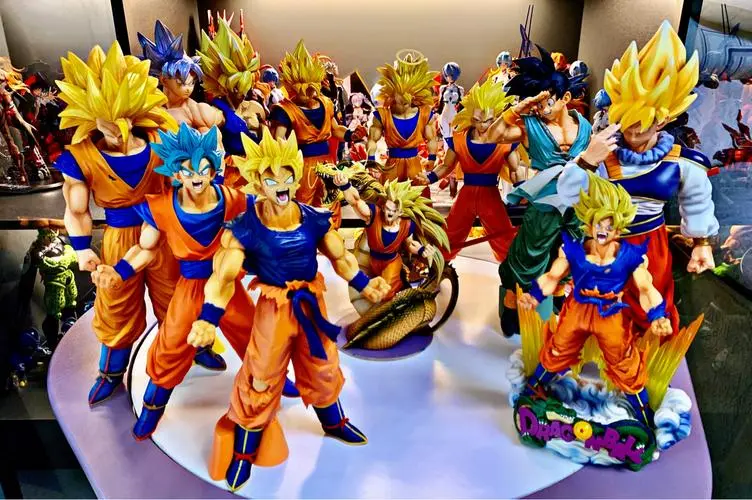
Collectors are enthusiastic connoisseurs who hunt down intricate anime figures, inflating demand and thereby costs. Oftentimes, they are willing to pay insurmountable prices for exclusive and rare models. This ardent demand directly contributes towards the escalating costs of anime figures.
B. The Role of Specialty Features in Limited Editions in Boosting Desirability and Price
Specialty features such as limited editions, intricately designed components and high-end materials substantially elevate a figure’s desirability. These coveted objects tempt collectors, often leading to higher prices. Furthermore, limited editions often feature exquisite designs or bonuses, further distorting their desirability and associated price.
C. The Economics of Scarcity and The Novelty Factor Increasing Value Proposition
The economic principle of scarcity invariably applies, where limited supply accounts for higher prices. The introduction of scarcity, coupled with the novelty factor of limited editions, increases the perceived value of these figures. As new models are unveiled, collectors gravitate towards the novel releases – this surge in demand inevitably results in increased costs. Collectors, driven by the desire to own these scarce and novel items, further drive up the prices.
In essence, economics plays a significant role in the pricing of anime and action figures with collectors’ passion and tastes as key influencing factors. From the demand driven by unique, limited editions to the value proposition heightened by rarity and novelty, it becomes evident that the financial aspect of these desired goods is complex and multifaceted.
VI. The Role of Customs, Shipping, and Distribution Costs
The associated overheads of anime figure production are not limited to the manufacturing process. The role of customs, shipping and distribution form a significant segment of the total cost, all of which contribute to the high price tags seen on the shelf. These ancillary expenses are the hidden factors often overlooked in the pricing equation.
A. Costs Associated With Customs Clearance Processes
Customs clearance is a significant factor that influences the final cost of anime figures. Because of the international stature of this diverse industry, products often have to cross multiple borders before landing in the hands of collectors worldwide. The regulatory approvals and fees required for legal import and export activities can be daunting and expensive. The value of the product, tax rates, and potential penalties all influence the pricing of the figures.
B. Role of Shipping Expenses in Overall Pricing
Shipping expenses also play a substantial role in the overall pricing of anime figures. The costs associated depend on multiple factors ranging from cargo volume to distance, insurance requirements to the choice between air or sea freight. It’s crucial to understand that delivering products from the manufacturer to the retailer isn’t a simple task, and that these expenses directly relate to the retail price of every figure.
C. Challenges Faced in the Global Distribution of Anime Figures
Lastly, global distribution of anime figures presents its own unique set of challenges and costs. These encompass the transportation, warehousing, inventory management, and handling of the figure at multiple stages of its journey. Alongside these, language barriers, different business practices and local tax laws in foreign markets further complicate operations. Each of these factors adds a distinct layer of cost to the figures and can significantly impact their final price offering.
About the author : vinux

vinux is a seasoned figure collector and model-making expert with over 10 years of industry experience. He has in-depth knowledge and unique insights into Gundam models and anime figures, and is dedicated to sharing the latest information and most practical techniques with enthusiasts.